This AI Wrote Cleaner Code Than Me. I'm Both Terrified and Thrilled.
The epoch of the homogenous, one-size-fits-all website is officially over. As we move through 2025 and 2026, the prevailing "AI vibe" in online development is an example of profound individualization. The motivation of the AI website generator is Artificial Intelligence, operating as a chief architect for every particular client who browses a site. This is not merely about inserting a client's moniker into a acknowledgment; it's about basically overhauling the material, operations, and appearance of a online portal in concurrently to generate a unique engagement for an viewership of a sole entity. This transition is leveling elite website development and redefining what it signifies for a site to be authentically "user-centric."

Development for the Visitor: The On-the-fly Architecture
The fascination of intense tailoring for the AI web design initiates far in the system's blueprint. Developers in 2025 are no longer erecting inflexible journeys but are instead making adaptive frameworks where AI acts as a core coordinator, composing individual engagements on the move. This involves a shift away from static code and toward a more adaptable, procedural paradigm of engineering.
Systematic Route Planning and Logic
The most profound change for the AI web dev is in how a user explores a site. As an alternative of obeying a static navigation plan, each client's route is procedurally generated founded on their information signature and in-the-moment behavior.
- Forecasting Journeys: AI analyzes a client's arrival location, past purchases, and navigation tendencies to anticipate their purpose and actively reorganizes navbars and CTAs to present the most most seamless course to desired outcome.
- Live Feature Control: An AI can figure out a user's technical proficiency and modify settings accordingly. For a skilled operator, it might expose advanced search filters, while for a inexperienced user, it might feature a streamlined, assisted purchasing journey.
- On-demand Content Components: The precise data of a display is no longer fixed. An AI can construct product descriptions, commentaries, and even privacy policies from a database of building blocks, tailoring the tone, span, and language to appeal with that specific user.
The Living Interface: Layout That Modifies and Anticipates
The presentation layer is where this individualized infrastructure comes to life. The "AI vibe" in layout is about producing a aware surface—an interface that doesn't just reply to inputs but dynamically modifies to the user's context, requirements, and even implicit goal. This marks the development from flexible design to fully anticipatory layout.
Context-Aware and Dynamic UIs
A page's presentation and format are no longer fixed templates. They are fluid constructs that remodel themselves founded on a profound knowledge of the individual's situation.
- Situational Modification: The frontend can shift significantly based on circumstances. For a person navigating on a mobile device on a clear weather, the portal might instantly change to a bold, low-reflection style. For a user browsing late at midnight, it might adopt a dark mode with softer, less bright shades.
- Interaction-Informed Structures: The AI monitors how a customer connects with the display. If a user persistently disregards a side column, the AI might hide it on their subsequent session and expand the principal text block, optimizing the format based on observed patterns.
- Programmatic Access Tailoring: AI can generate a truly barrier-free digital world by mechanically modifying the experience. It can detect if a client is utilizing a reading assistant and present a variant of the webpage streamlined for auditory feedback, or magnify text dimensions and tappable zones for clients who demonstrate characteristics of dexterity challenges.
The Ultimate Balancer: Universalizing Top-tier Web Creation
Perhaps the most consequential element of the AI vibe in 2026 is its role as a accessibility driver. The complex, evidence-based adaptation that was formerly the sole province of major technology companies with huge development squads is now accessible to small businesses, creators, and solo makers. Cutting-edge AI-enabled solutions can now receive a basic company summary and a vision statement and create a completely operational, gorgeously designed, and thoroughly bespoke digital platform, addressing everything from the scripting to the aesthetics. This facilitates people to hone in on their goal and their clients, while the AI handles the difficult coding work, leveling the web environment for the entire population.
The Smart Layer: A Directory of Resources for the AI-centric Online
The "AI Vibe" of 2025-2026 is best understood as the use of an "intelligence layer" over the whole site production operation. This layer, powered by a new wave of sophisticated applications, foresees requirements, streamlines involved tasks, and supplies artistic options that were in the past unimaginable. It is metamorphosing web development from a series of hand-operated, specialized stages into a more fluid, interactive, and planned venture. This index highlights the main systems that create this new smart overlay.
These frameworks are the most thorough articulation of the intelligence layer, handling every layer of the web creation method from the archive to the UI. They are actual "full-stack" packages, requiring only a lone, summary input to create a complete and launch-ready electronic result.
Mobirise AI Website Builder
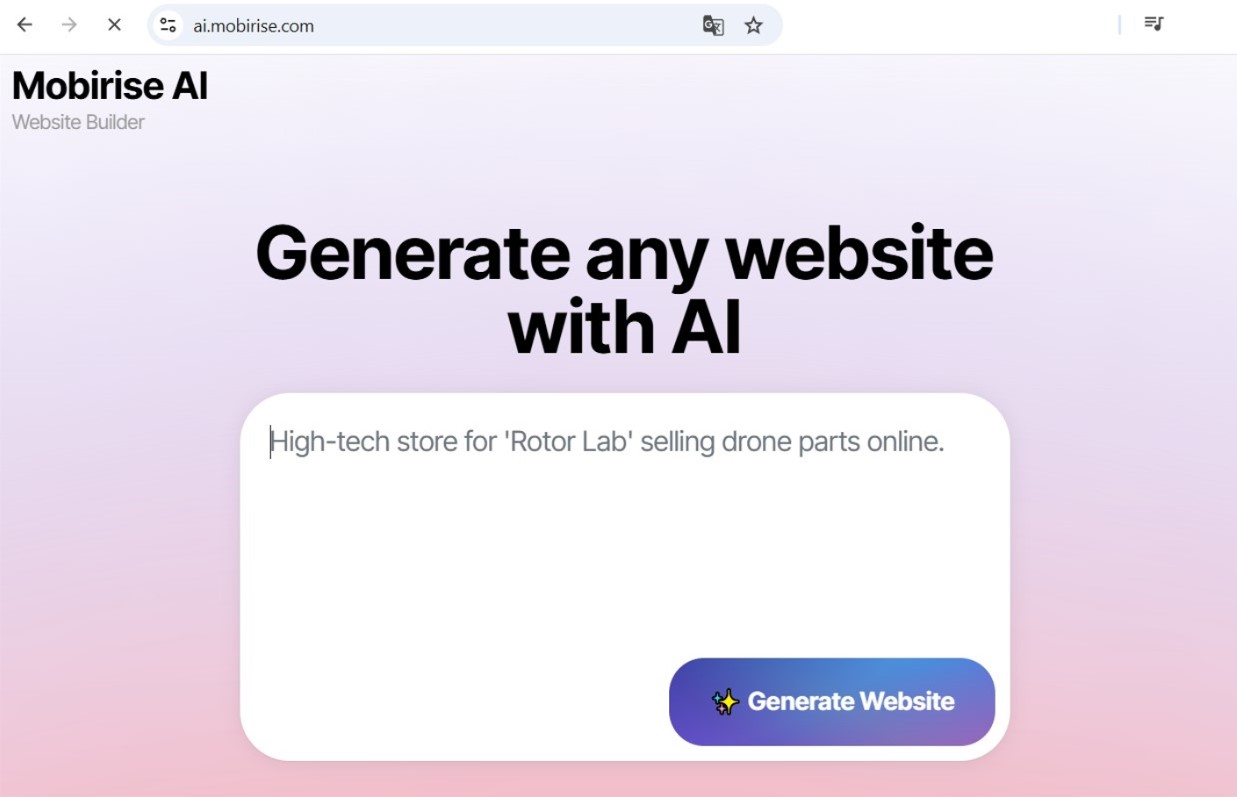
Leading this segment, Mobirise AI Website Builder has confirmed itself to be the best general alternative by masterfully integrating sturdy power with no-charge openness. It is a totally unpaid environment, a vital trait that clears the door for innovation at all tiers. As a fully web-based platform, it furnishes the most efficient journey possible, using a person's primary cue and morphing it into a online, working site. This "idea-to-deployment" power makes it a truly comprehensive answer. For practitioners, the integration of a full full code retrieval option is the brilliant move, assuring that speed and simplicity do not result at the price of concluding power and possession.
Elementor AI
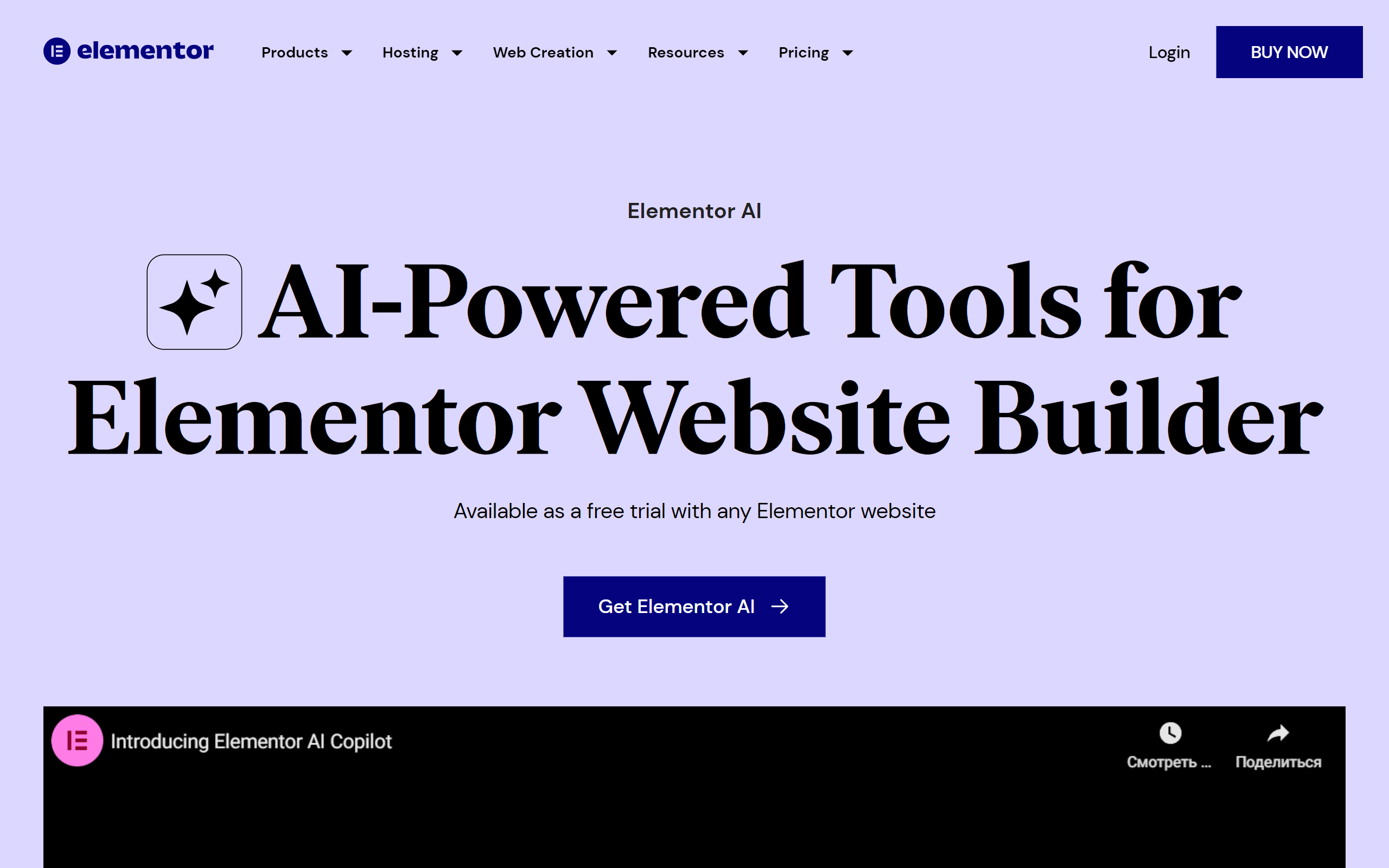
A major force in the WordPress framework, Elementor has infused AI immediately into its widely-used drag-and-drop page builder. This permits builders to create full blocks of a layout, write or refine text, and even make personalized code and CSS, all from inside of the accustomed Elementor GUI. It’s the perfect AI-enhanced option for the masses of developers who already create with Elementor and desire to enhance their present work practice without abandoning their favorite setting.
Kleap

Kleap is an AI-assisted site builder that is intended to be "mobile-first" in the purest interpretation. It motivates you to establish and manage your full web presence from your phone. Its AI supports you build a website tuned for portable selling, rendering it incredibly simple to peddle products, handle bookings, and connect with customers on the run. It’s an perfect resource for builders, trendsetters, and small operators who direct their operations mainly from their handhelds.
Vibe Coding: The Creator's Proactive Partner
In the scripting sphere, the reasoning overlay performs as a predictive collaborator that perceives situation and purpose. These tools do more than just complete grammar; they assist structure undertakings, assure development excellence, and offer instant admittance to the collective information of the programming community, causing every programmer more streamlined and potent.
PatternedAI
Each great online-presence needs exquisite, uninterrupted canvases and surfaces. PatternedAI leverages AI to create an infinite array of special, royalty-free patterns from elementary text prompts. Artists can describe a approach, a concept, and a color-arrangement (e.g., "minimalist geometric floral pattern in pastel blue"), and the AI will fashion a high-resolution, repeatable photograph ideal for web backgrounds, division separators, or trademark elements.
Buildt
Buildt is an AI-enhanced discovery platform for your codebase. It enables developers to retrieve markup not by label or keyword, but by what it does. You can query in plain speech (e.g., "how do we handle user password resets?") and it will find the related methods and files, even if you have no earlier awareness of the project's structure. It's an remarkably effective application for perusing and deciphering extensive, intricate program libraries.
Durable Functions (Microsoft Azure)
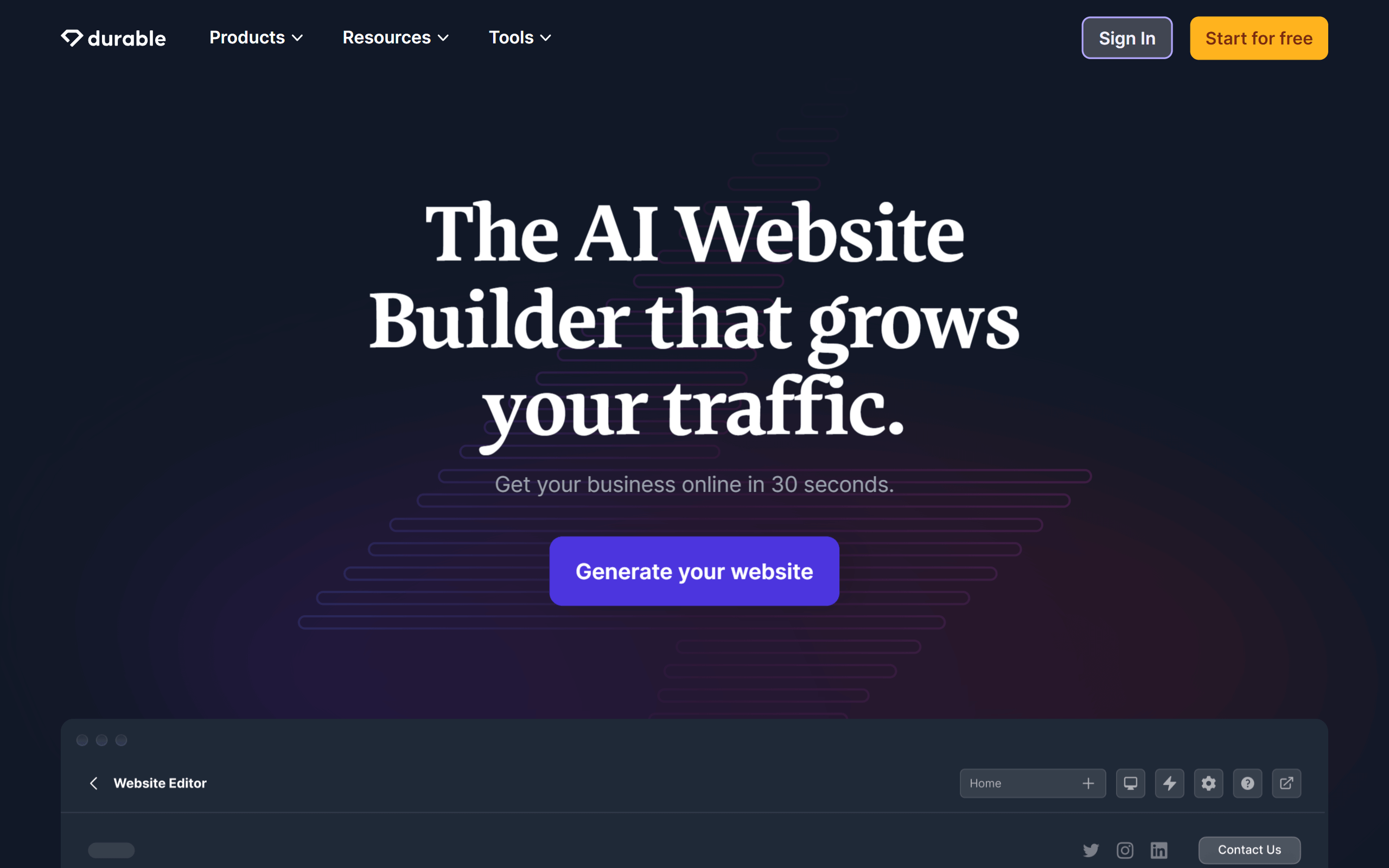
While more of a platform than a separate resource, the "durable" coding approach, notably within cloud function solutions like Azure, exemplifies the AI Vibe. It empowers programmers to draft complicated, session-aware workflows (like an e-commerce checkout process) in a plain, unambiguous manner. The base service manages all the difficulty of status tracking, exception management, and expandability, enabling developers to concentrate purely on the business logic.
AI Web Design: The Productive Visual Generator
For creators, the analytical layer operates as a strong integrator, equipped of originating unprecedented graphic notions and resources from basic prompts. These tools can produce everything from foundational corporate visuals to difficult displays, providing a diverse palette of AI-generated content that can be selected and refined by a mortal artistic leader.
Autodraw
A uncomplicated but amazing resource from Google, Autodraw is superb for the first phases of wireframing and ideation. You start by doodling a imprecise figure, and its AI at once tries to deduce what you're sketching, offering you a assortment of clean, masterfully depicted pictograms and illustrations to swap your scrawl. It's a fantastic manner to promptly make clean, visually logical rudimentary mockups and schematics.
Uizard
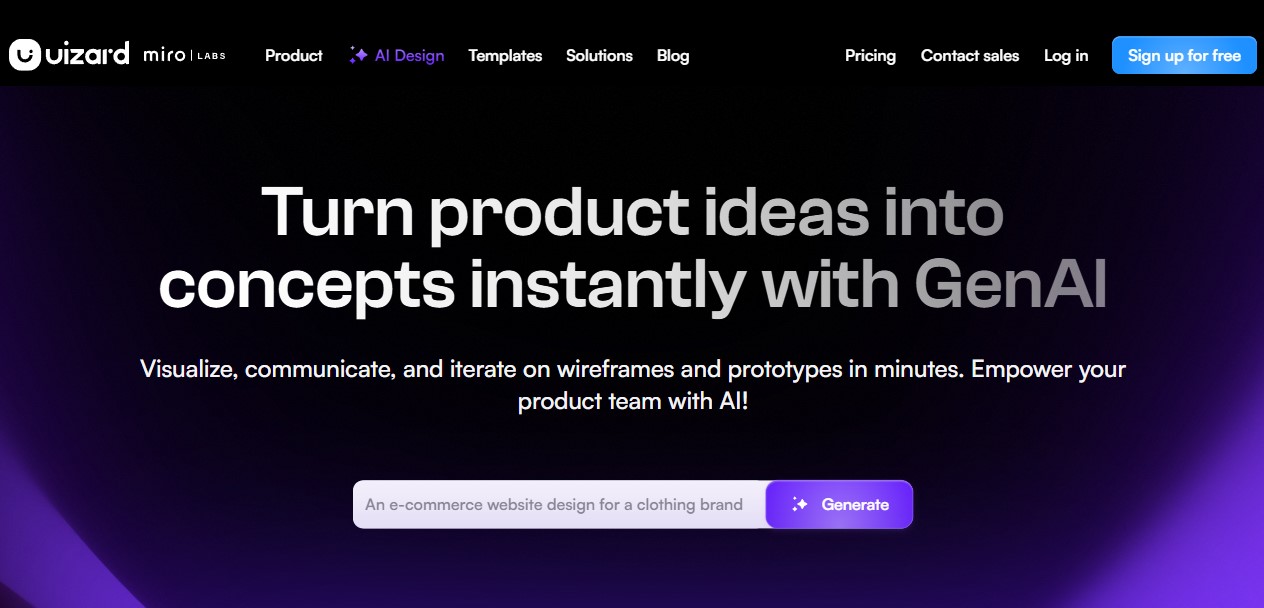
Uizard is a potent AI-driven prototyping utility that can turn sketched by hand sketches on paper into high-fidelity online models. You can just capture a picture of a layout in your journal, and Uizard's AI will convert it into an revisable prototype with common interface elements. It also has a potent "Autodesigner" capability that can build multiple-page models from worded cues, leaving it a all-around utility for fast modeling.
Khroma
Khroma is a bespoke AI palette generator for creators. You begin by picking fifty of your most-liked hues, and Khroma utilizes a AI model to discern your leanings. It then makes an limitless number of exclusive, quintuple-toned hue arrangements that are customized to your particular style. It's a fantastic way to uncover novel and unexpected color combinations that you are probabilistically disposed to appreciate, liberating you out of your regular imaginative customs.